What’s the point of an open house if buyers just wander in, take a few photos, and leave.
That’s how a lot of open houses turn out when there’s no clear strategy behind them.
A well-executed open house can do a lot more than generate foot traffic. It can increase interest in the listing, create competition between buyers, and help serious buyers move closer to making an offer.
The difference usually comes down to execution.
How the property is marketed beforehand, how the showing is managed during the event, and how follow-up is handled afterward all play a major role in the outcome.
Before the Day: Set the Stage for Success
Price It to Draw a Crowd
The open house begins long before anyone walks through the door.
If the listing price doesn't generate interest online, the room will be empty regardless of how good the staging is. Make sure the price is competitive enough to attract multiple buyers.
A well-attended open house creates natural social proof and urgency that a one-on-one showing simply can't replicate.
Market Like It's an Event, Not a Listing
Most agents post the open house on MLS and call it done. The agents who consistently see results treat it like an event launch.
This means:
- Targeted social media ads in the days leading up, with scroll-stopping photos and a clear date/time
- Neighborhood outreach. Door knocking or postcards to nearby residents who might know buyers looking in the area (and who represent future listing prospects for you)
- Email blast to your buyer leads and past clients with a clean, mobile-friendly preview
- Yard signage placed strategically at nearby intersections the morning of
The goal is to make the event feel unmissable.
Stage for the Target Buyer
Work with the sellers to present the home for the most likely buyer demographic.
A three-bedroom near good schools should feel move-in ready for a young family. A downtown condo should feel sleek and low-maintenance. Every furniture arrangement, scent, and playlist choice should reinforce that this home fits the life the buyer wants.
Remove excess personal items, declutter countertops, and make sure every light fixture is working and every room is clean. First impressions are formed in seconds.
During the Open House: Control the Experience
Arrive Early and Own the Space
Give yourself at least 45 minutes before guests arrive.
Open the blinds, turn on lights in every room, set a comfortable temperature, and do one final walkthrough. Have your sign-in sheet, printed feature sheets, and any disclosures ready at the entry.
This time also lets you mentally prepare to be "on." You're the hose, the expert, the guide, and the first point of trust for every buyer who walks in.
Capture Every Visitor
A sign-in sheet is non-negotiable, but don't rely on it alone.
Engage each visitor personally at the door, get their name, and, where appropriate, ask how they heard about the home. A simple iPad sign-in form or QR code linked to a landing page can streamline this while also allowing follow-up without the friction of chasing down handwritten entries.
Ask Questions, Don't Just Answer Them
Most agents stand in the kitchen and wait to be asked questions. High-performing agents ask them.
You can try:
- "Is this your first time looking in this neighborhood, or have you been watching it for a while?"
- "What's your current situation? Are you already working with an agent?"
- "What's brought you out looking today?"
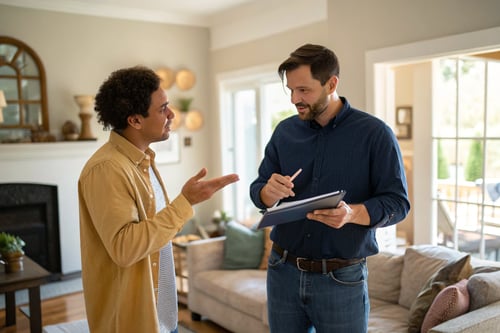
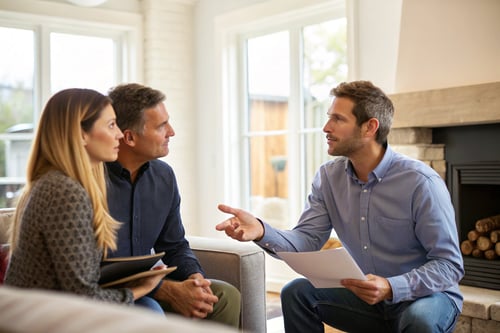
These questions surface motivation, timeline, and whether the buyer is represented. They also help you tailor your talking points to what that specific person actually cares about.
Create a Sense of Flow and Energy
When possible, keep multiple buyers in the home at once.
A busy open house signals desirability. If traffic is light, slow down your conversations so the home doesn't feel empty. Energy is contagious. Yours sets the tone for every visitor's experience.
Point out features buyers might miss on their own: the extra storage in the garage, the new HVAC system, the quiet street despite being close to everything. Give them the narrative they'll repeat to their partner later.
After the Open House: The Follow-Up Is Where Deals Happen
Follow Up the Same Day
Most agents wait until Monday. This is a mistake.
Send a short, personal message to every sign-in the same evening, not a template, something that references a detail from your conversation.
This small effort sets you apart and keeps the home top of mind while the buyer's impression is still fresh.
For buyers who seemed genuinely interested, a phone call is more powerful than a text or email. It signals that you're invested in helping them, not just running through a checklist.
Debrief With Your Sellers
Call your sellers that evening with a honest report.
How many people came through, what the feedback was, which features generated the most interest, and what objections if any kept coming up.
This conversation is as much about managing expectations as it is about sharing data. If the same concern came up repeatedly (price, a particular feature, the neighborhood), that's signal worth acting on.
Re-engage Lookers Who Didn't Make Moves
Not every interested buyer is ready to offer immediately.
Some are still in research mode. Some need to sell their current home first. Some are waiting on a life event.
Build these contacts into your CRM with notes from your conversation and set a follow-up reminder. A buyer who visited an open house is a warm lead. Treat them accordingly.
The Bigger Picture
Open houses don't just sell the home you're hosting.
They build your brand, grow your database, and generate future listings. The neighbors who walked through out of curiosity? They're your next seller. The buyer who loved the home but lost out? They're your next repeat client.
Every open house is a chance to demonstrate your professionalism, market knowledge, and genuine investment in people's most important financial decisions. Treat it that way, and the results follow.


Comments